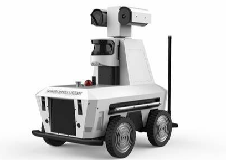
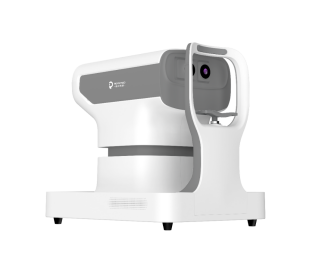
A prototype model, often referred to as a handboard or prototype, is a crucial bridge for a product to transition from "blueprint" to "mass production". It is not merely a sample but a vital verification and decision-making tool during the R&D process. Skipping the prototype stage and directly proceeding to mold making is a highly risky gamble. For product developers, a deep understanding and effective use of prototype models are key to success. It can be likened to a "trial garment" for the product.
1. It allows for a direct visual inspection of whether the product's appearance, color, texture, and feel meet the design expectations.
2. It enables the examination of whether the assembly relationship of parts is reasonable, whether there is interference, whether the structural strength is sufficient, and whether the tolerance fit is appropriate.
3. It can be used for preliminary functional testing to evaluate the working principle.
4. It helps identify problems and modify the drawings, avoiding mold scrapping or modification due to design errors, thus saving significant costs and time.
5. A well-crafted prototype can be used as a sample to present to leaders, investors, or potential customers for project reviews, obtaining investment, or collecting initial market feedback.
6. Prototypes can be used for participating in exhibitions, taking promotional photos, and conducting preliminary tests for safety certifications (such as CE, FCC certifications).
Based on different requirements (quantity, precision, material, strength), various manufacturing processes can be chosen:
CNC machining: Using CNC machines to cut from a solid material (plastic sheet/metal block). It offers high precision, good strength, and a wide range of material options (ABS, PC, acrylic, aluminum, copper, etc.). It is suitable for functional testing, structural verification, and products with high appearance requirements.
Typically, customers provide 3D drawings (usually in STP/STEP format) and 2D drawings (PDF/DWG format), specifying technical requirements (such as surface treatment, material, color, etc.). We then program and layout, with engineers analyzing the 3D drawings and writing the CNC machine processing programs. The material sheets are optimally laid out to improve material utilization. The processing is carried out according to the programming to obtain the product's initial form. The post-processing stage is a critical step in determining the final appearance quality of the prototype, including:
- Grinding: Removing supports, tool marks, and layering lines.
- Painting: Applying primer and topcoat to achieve the designed color and effect (such as gloss, matte, metallic paint, rubber paint).
- Screen printing/water transfer printing: Printing logos, text, and patterns.
- Electroplating/oxidation: Surface treatment of the prototype, etc.
Finally, assembly and quality inspection are conducted: Assembling the parts according to the drawings, checking the dimensions, appearance, and functionality to ensure consistency with the design. The prototype is then packaged and sent to the customer.